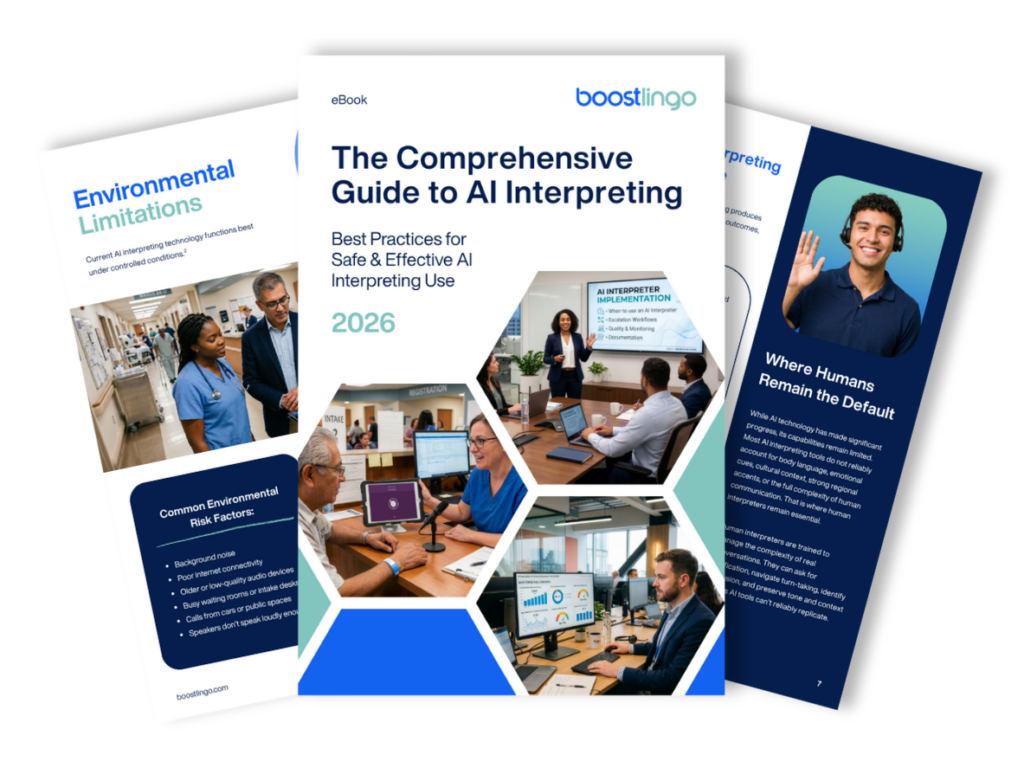
A practical guide to implementing AI interpreting responsibly, from defining use cases and training staff to knowing when human interpreters should lead.
In this 37-page comprehensive guide, you’ll find practical guidance for implementing AI interpreting safely and effectively, including use-case guardrails and checklists, staff training tips, escalation workflows, sample scripts, and quality monitoring metrics. Get insights from Boostlingo product, language industry learning, and account management experts, combining product knowledge with real-world implementation experience.
Why This Study Matters
Teams need to know they can rely on language support when it matters. But AI interpreting is not something you simply turn on and hope for the best. To use it responsibly, your teams need to know where it fits, where it doesn’t, and when a human interpreter should step in.
Built with input from Boostlingo product, language industry learning, and account management experts, this guide gives language access, operations, compliance, and frontline teams a practical framework for making those decisions with confidence: when to use AI interpreting, when to start with a human interpreter, and when to switch during a session.
AI interpreting can work well for routine, structured conversations, but it should not be treated as the default for every interaction.
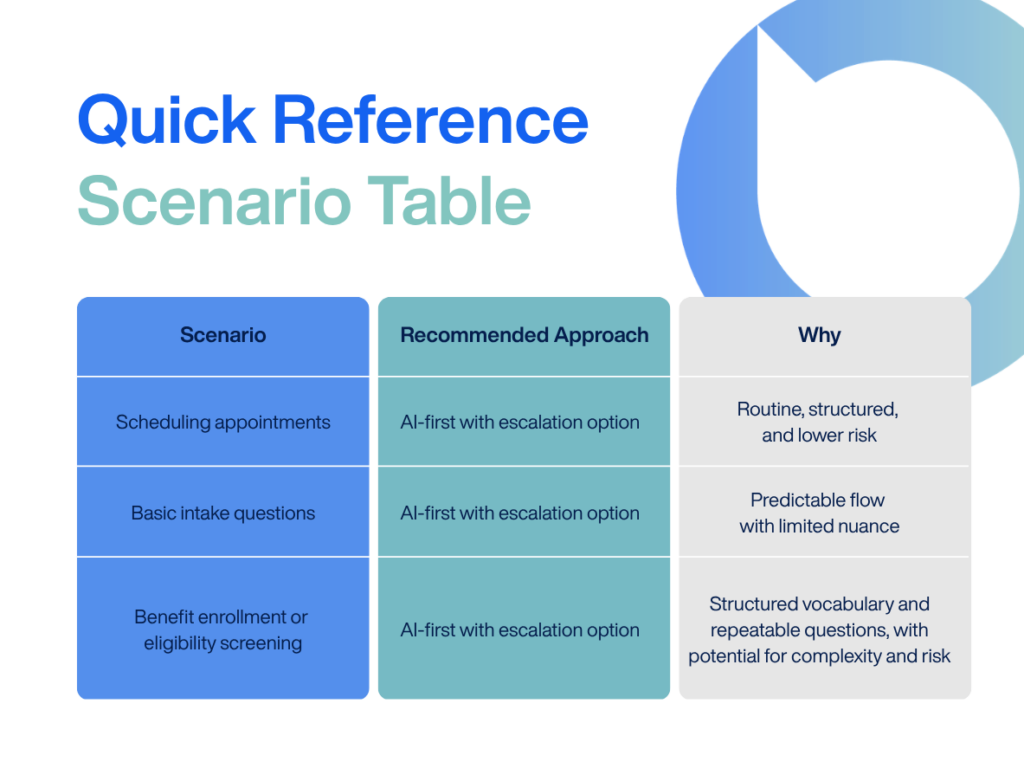
This guide helps teams decide when AI is appropriate, when human interpreters should lead, and when to switch mid-session. It also includes a quick-reference scenario table with examples like appointment scheduling, informed consent, and crisis conversations that teams can adapt to their own workflows.
Responsible AI Interpreting Principles
Responsible AI interpreting starts with clear expectations. Staff, clients, and patients should know when AI is being used, how the interaction will work, and how to request a human interpreter.
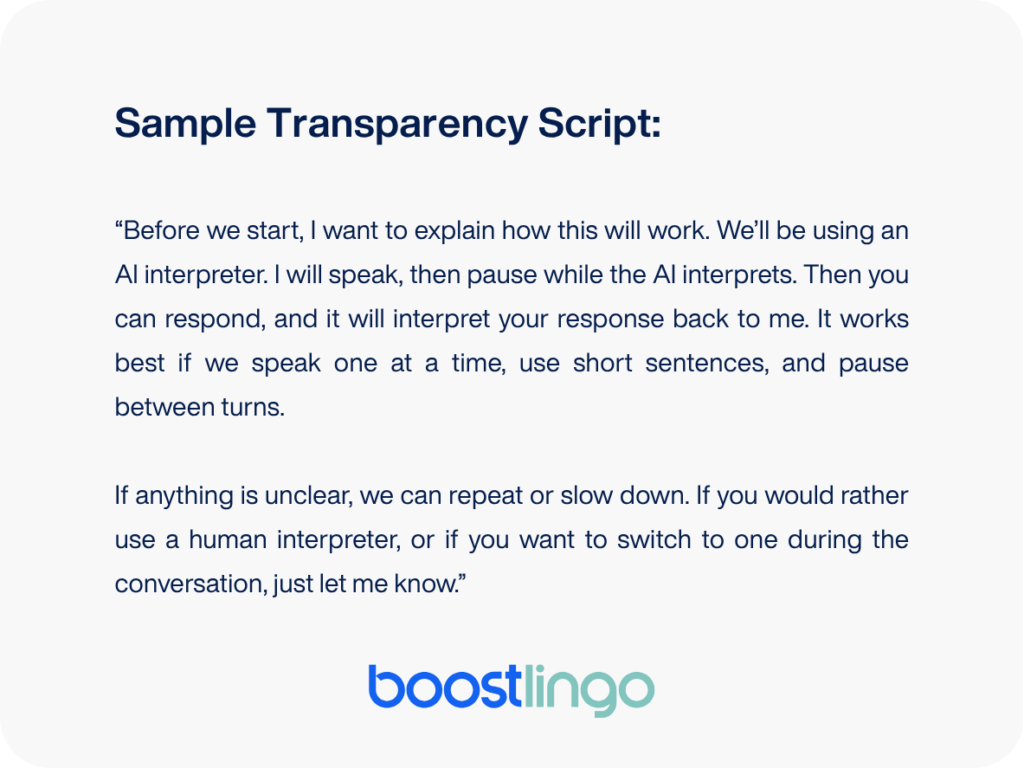
The guide helps organizations build transparency, privacy, consent, opt-out processes, and accountability into their workflows, including a sample transparency script staff can use before a session begins.
What a Successful Session Looks Like
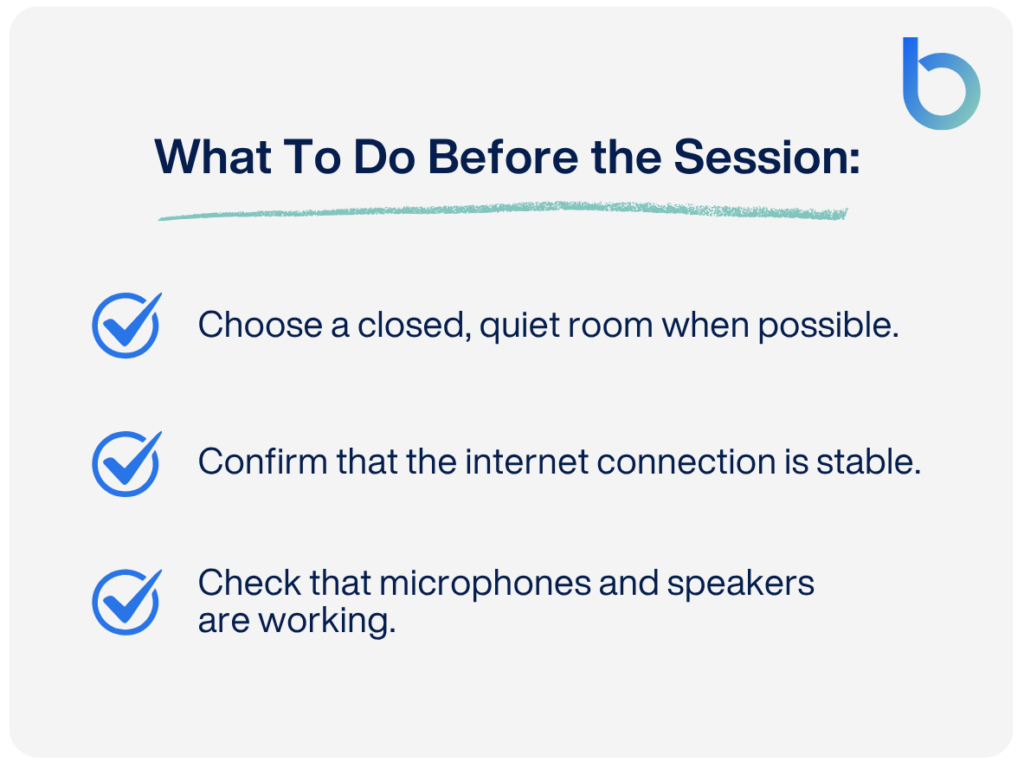
AI interpreting works best when the environment, audio, pacing, and turn-taking support clear communication. This section helps teams prepare for stronger sessions and recognize when AI is no longer the right fit.
Step-by-Step Implementation Guide
AI interpreting adoption can stall when teams do not know where to start, who owns the rollout, or how staff should use the tool in real workflows.
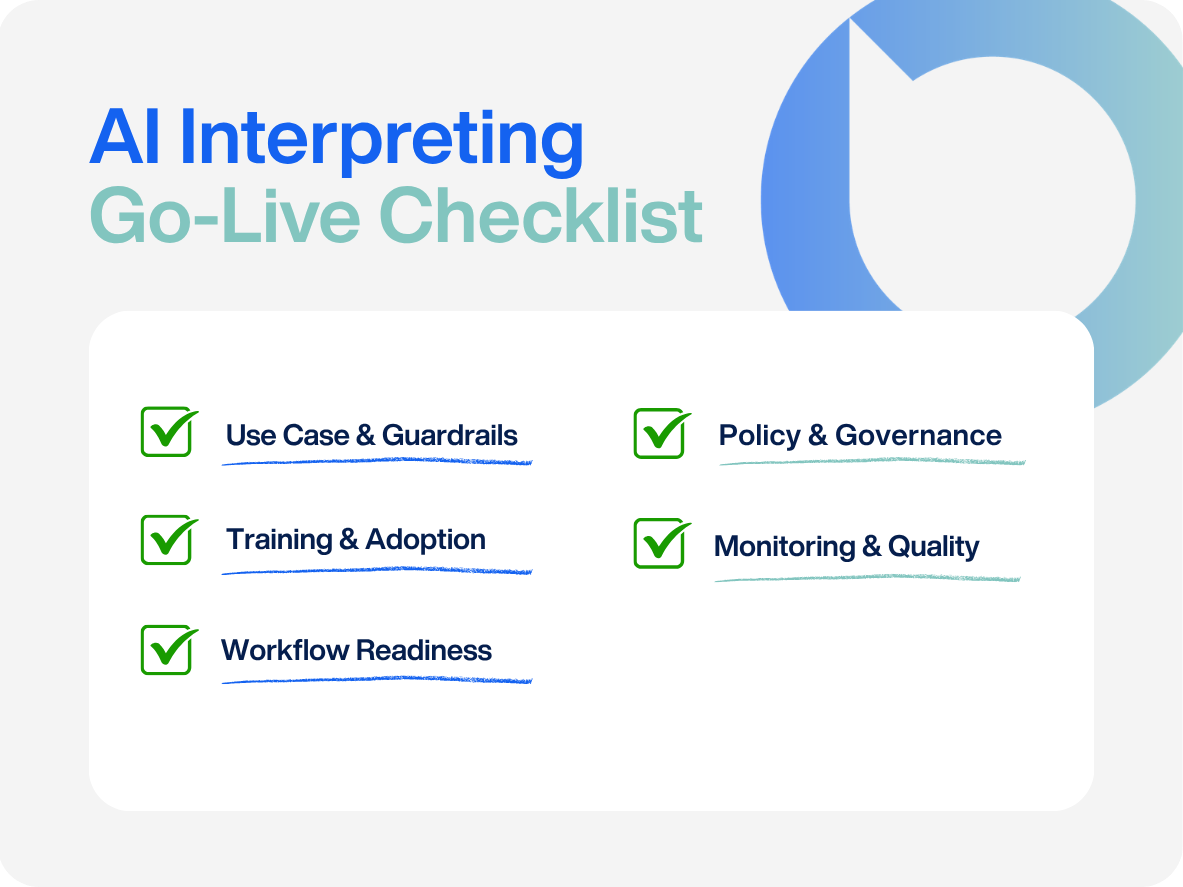
Use the step-by-step rollout framework and AI Interpreting Go-Live Checklist to define use cases, align teams around clear responsibilities, and confirm that policies, workflows, training, and escalation paths are ready before launch.
Internal Policy and Quality Monitoring Tools
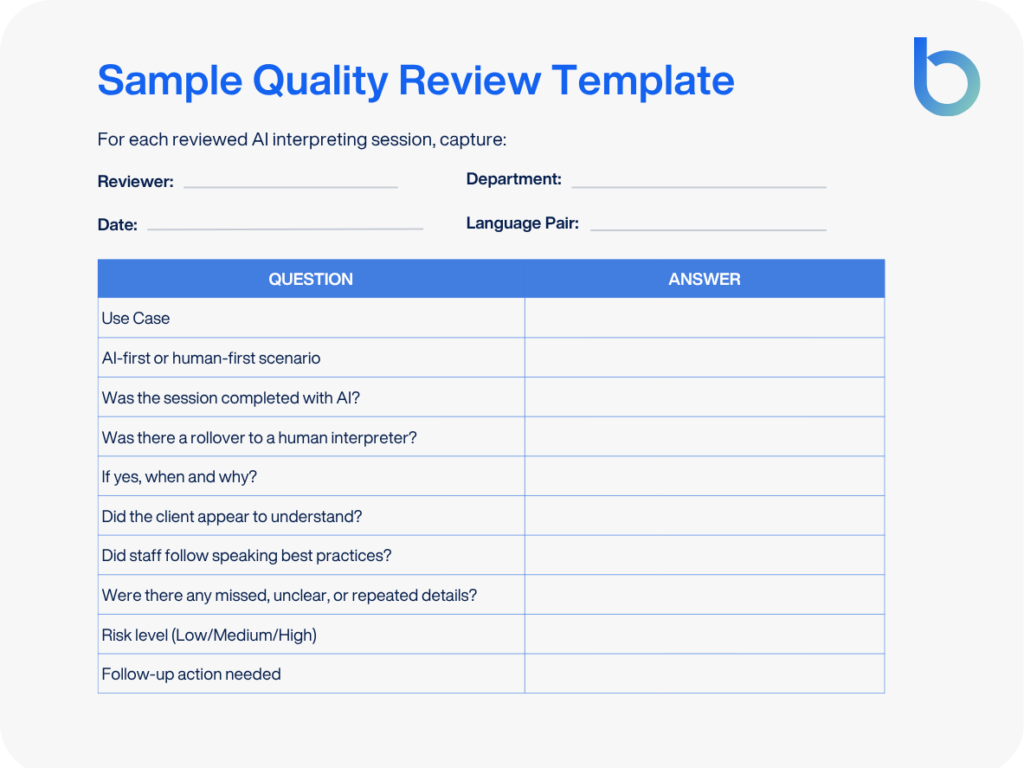
Clear policies help staff make confident decisions when conversations become unclear, sensitive, or higher risk. This section helps teams turn AI interpreting guidance into practical policies, documentation standards, and review processes.
What Can I Do With This Guide?
Use this guide to build a safer, more practical AI interpreting rollout plan. Whether your organization is already using AI interpreting or preparing to evaluate it, the guide can help you define appropriate use cases, train staff, document escalation workflows, and monitor whether AI is being used appropriately.
AI interpreting can expand access when paired with clear guidance, responsible policies, and human interpreter support when it matters most.
See how Boostlingo can help your team use AI interpreting responsibly, with the right workflows, safeguards, and human interpreter support when it matters most.