Why Interpretation for Pharmacies Is Important

Pharmacies often serve as the final point of contact before patients begin treatment. But for millions of Limited English Proficient (LEP) individuals in the U.S., understanding a pharmacist’s instructions can be a major hurdle. With more than 65 million people in the U.S. speaking a language other than English at home, and over 40% of […]
5 Ways to Ensure Compliance When Using Medical Video Remote Interpreting

Medical video remote interpreting (VRI) has become an extremely popular and effective tool in the healthcare field when medical professionals are treating limited English proficient (LEP), Deaf or Hard of Hearing patients. 97% of physicians report treating at least some LEP patients. However, new technology sometimes comes with unintended hiccups or consequences if there are […]
Supporting LEP Students with Interpreting Services

Communication is the starting line for learning. When students (or their families) can’t fully understand what’s being said, grades slip, engagement falls, and trust erodes. More than 5.3 million English learners now attend U.S. public schools—about 1 in 10 K-12 students—so language barriers are no longer the exception; they’re a daily reality. We recently hosted […]
3 Benefits of Video Remote Interpreting
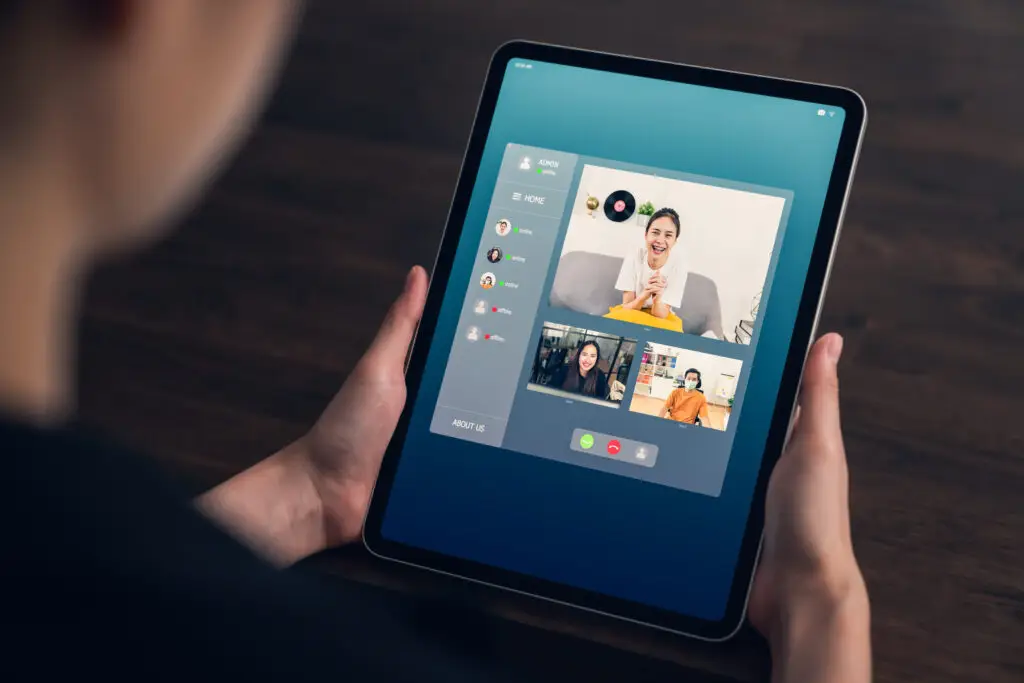
Outside of the language service industry, video remote interpreting (VRI) can feel a little cold or foreign to users new to interpretation. However, when deployed correctly users can have a better experience that enhances their opinion of your organization. Video Remote Interpreting is when you use a specialized video interpreting software on a tablet, laptop, […]
3 Medical Interpreter Training Programs to Start Your Interpretation Career

There is no doubt that fluency in medical terminology, as well as continuing education in medicine, are a must for healthcare interpreters. The challenges medical interpreters face aren’t always just dense medical jargons, or the name of a new advanced treatment, that will give interpreters not just a pause, but rather a complete idiomatic expression. […]
Using Certified Deaf Interpreters to Interpret for the Deaf and Hard of Hearing

Certified Deaf Interpreters (CDIs) are interpreters who have been trained to interpret for deaf patients who haven’t acquired or are unable to acquire American Sign Language (ASL). A CDI is either deaf or hard of hearing and has been certified by the Registry of Interpreters for the Deaf as a professional interpreter. A CDI’s Role […]
The History Behind Becoming an Interpreter

Have you ever sat next to an interpreter while they were interpreting something? While their job may “sound” easy, it really isn’t. If you’re bilingual it doesn’t mean you can interpret consecutively and successfully. Try sitting in on an interpreting situation: one sentence comes out, but then the second one is already coming out before […]
VRI for the Deaf & Deaf History Month

As many know and acknowledge, deaf history month is celebrated from March 13 – April 15 every year. It sits between the month of March and April to highlight some of the key milestones in Deaf History between these dates: March 13, 1988: I. King Jordan named the first Deaf president of Gallaudet University. April […]
What is the Difference Between Translation and Interpretation?

“Looking for a ‘translator’ to help during a live conversation?” That’s actually an interpreter, and it’s a mix-up we hear every day. Translation is for text, interpretation is for speech. Whether navigating international meetings, ensuring patient safety in medical settings, or upholding due process in court proceedings, the need for clarity across languages has never […]
Healthcare Video Remote Interpreting is Trending: Here’s Why

There’s no doubt that providing an onsite interpreter is sometimes necessary in the healthcare field. However, there are instances when healthcare video remote interpreting (VRI) is a better fit for both the patient and the provider. Much like an Onsite Interpreter, VRI eliminates language barriers between healthcare professional and limited-English proficiency (LEP, hard-of-hearing or Deaf […]
